
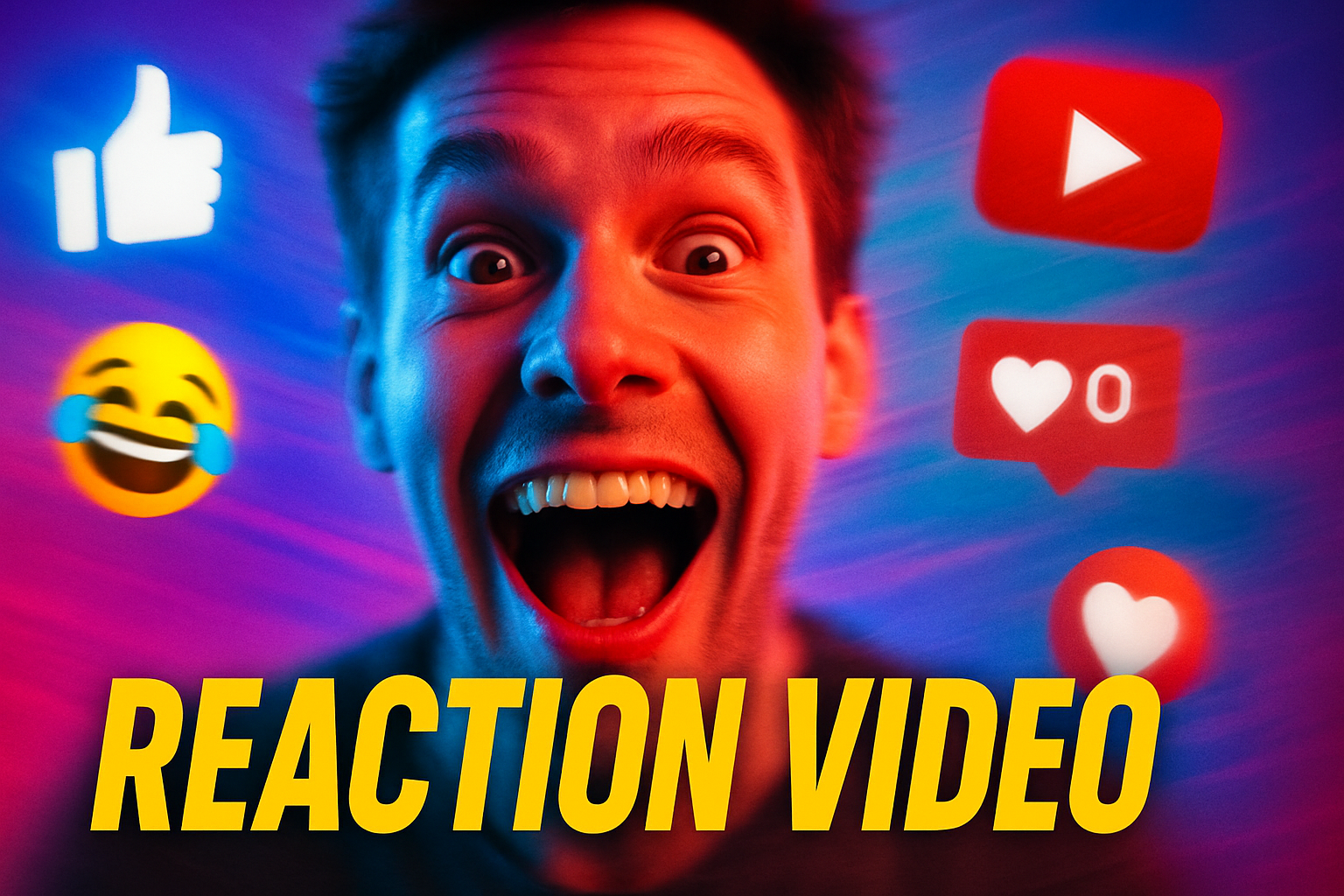
Reaction Content – Why People Love Watching Reactions Online
Reaction content has become one of the biggest trends on YouTube, TikTok, Instagram, and other social media platforms. Whether it’s reacting to music videos, movie trailers, memes, food challenges, or emotional moments, audiences enjoy seeing how others respond to situations they already know or love.
Reaction content focuses on capturing a person’s genuine response to videos, events, trends, or experiences — often in real-time.
1. What Is Reaction Content?
Reaction content refers to videos where creators express their thoughts, emotions, and opinions while watching or experiencing something. This type of content is simple to make yet extremely engaging, making it popular among both new and established creators.
It often includes:
- Reaction to trending videos
- Reaction to movie scenes, trailers, or songs
- First-time reactions to cultures, foods, or traditions
- Live reactions to breaking news or viral moments
- Reaction to memes, comedy skits, or challenges
2. Why Is Reaction Content So Popular?
Reaction videos appeal to almost every type of audience. People enjoy watching others share emotions that reflect their own feelings.
- Relatability – Viewers connect when creators express emotions they’ve felt before.
- Authenticity – Genuine reactions make content feel real and personal.
- Community Experience – People enjoy watching content along with someone else.
- Curiosity factor – Audiences love seeing how others respond to shocking, funny, or emotional moments.
- Low effort, high engagement – Reaction videos are easy to produce but often get high views.
3. Types of Reaction Content
Reaction videos come in many entertaining formats. Below are the most popular categories:
1. Music & Song Reactions
Creators listen to songs for the first time and share their opinions. Fans often request specific tracks, helping channels grow quickly.
2. Movie & Trailer Reactions
These videos capture excitement, shock, and theories about new films, making them extremely popular among entertainment fans.
3. Meme Reactions
Creators react to funny memes, comedy edits, and viral posts. This category spreads laughter and boosts shareability.
4. Food Reactions
Trying foods from different cultures, spicy challenges, or unique recipes makes for fun and engaging content.
5. Try-Not-To-Laugh Reactions
Classic reaction format where creators attempt to stay serious while watching hilarious clips.
6. Emotional Reactions
Videos featuring heartfelt stories, wholesome moments, or surprising reunions get strong reactions from both creators and viewers.
7. Gaming Reaction Content
Gamers react to jump scares, intense matches, or funny in-game moments. These clips often go viral on streaming platforms.
4. Reaction Content on Different Platforms
Each platform has its own unique style of reaction videos:
- YouTube – Long-form reactions, commentary, reviews.
- TikTok – Quick reactions, split-screen duets, funny moments.
- Instagram Reels – Fashion, beauty, comedy, and lifestyle reactions.
- Facebook – Family-friendly reaction clips and emotional stories.
- Twitch – Live reactions to games, challenges, or viral events.
5. What Makes a Good Reaction Video?
Not all reactions go viral. Successful creators follow certain key points:
- Expressive emotions – Viewers enjoy honest facial expressions and tone.
- Clear audio and video quality.
- Engaging commentary before and after the reaction.
- Adding value—explaining thoughts, feelings, or cultural context.
- Consistency in posting and interacting with followers.
6. Why Do People Enjoy Watching Reactions?
The psychology behind reaction content is simple and powerful:
- Shared emotional experience – People feel like they’re watching together.
- Validation – Viewers enjoy when creators react the same way they did.
- Discovery – Creators often introduce audiences to new music or shows.
- Entertainment – Reactions can be funnier than the original video.
- Nostalgia – Watching someone experience your favorite content feels satisfying.
7. How to Improve Reaction Content
If you’re a creator, here are ways to make your reaction videos stand out:
- Use trending hashtags and topics.
- Stay natural—don’t fake reactions.
- Keep pacing fast so viewers don’t get bored.
- Add humor or personal stories to make content unique.
- Respond to comments so fans feel involved.
Conclusion
Reaction content has become a major part of internet culture. It brings people together, encourages creativity, and provides endless entertainment. Whether it’s music, memes, movies, or surprising moments, reactions allow viewers to relive their favorite experiences through someone else’s eyes.
Want a longer 1500–2500 word version or a reaction-content blog for YouTube, TikTok, or Instagram specifically? Just tell me!