
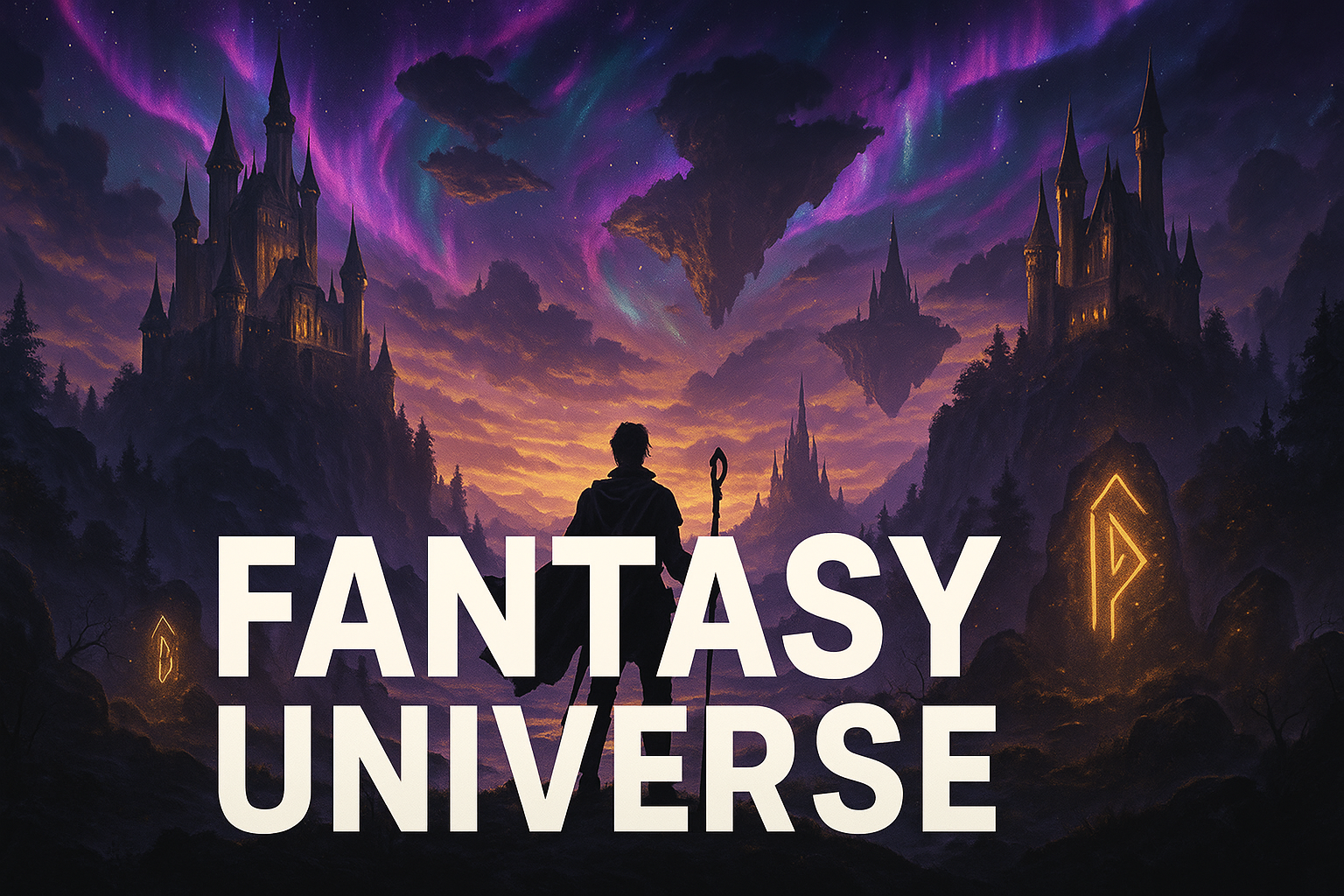
Fantasy Universe Explained – Worlds Beyond Imagination
A fantasy universe is one of the most powerful storytelling tools ever created. It is a realm where reality bends, magic breathes, creatures roam freely, and heroes rise from unexpected places. Fantasy worlds have captivated audiences for generations, from ancient mythologies to modern franchises like The Lord of the Rings, Harry Potter, and vast anime-inspired realms. This blog takes you deep into the foundations of a fantasy universe—how it is built, what makes it believable, and why audiences love escaping into enchanted lands filled with mystery and adventure.
1. What Makes a Fantasy Universe Unique?
A fantasy universe is defined by elements that go beyond the rules of the real world. It may include mythical lands, supernatural beings, or complex magic systems. However, the best fantasy worlds are not just random collections of magical ideas—they function with structure, logic, and internal rules. This balance of imagination and realism keeps the audience connected while expanding their sense of wonder.
Most fantasy realms feature:
- Rich world-building with maps, cultures, and history
- Magic as a central force of power
- Heroes and villains with unique abilities
- Mythical creatures like dragons, elves, spirits, or giants
- Themes of destiny, courage, and epic battles
2. World-Building – The Heart of Every Fantasy Universe
World-building shapes the way a fantasy universe feels and functions. It includes geography, kingdoms, climates, languages, and social systems. A believable fantasy world requires consistency—mountains, deserts, forests, and oceans need to make sense spatially, and cultures must grow naturally from their environments.
Good world-building often focuses on:
- Geography: Maps, landscapes, magical zones, ancient ruins
- History: Origin myths, wars, kingdoms, fallen empires
- Cultures: Traditions, clothing, beliefs, rituals, festivals
- Economy: Resources, trade systems, rare magical items
- Politics: Royal families, alliances, rebellions, power struggles
When all these elements work together, the universe feels alive—as if the reader could walk right into it.
3. Magic Systems – The Rules of the Impossible
A magic system is the engine of a fantasy universe. Some stories feature soft, mysterious magic based on emotion or belief, while others use hard, rule-based magic with clear limitations.
Key elements of magic include:
- Source: Where magic comes from—nature, gods, ancient relics, or bloodlines
- Rules: What magic can or cannot do
- Cost: Every spell or power should have consequences
- Users: Wizards, witches, sorcerers, shamans, or chosen heroes
Well-designed magic adds tension, creativity, and depth to the story. It allows characters to perform extraordinary feats but also challenges them with limitations.
4. Mythical Creatures & Legendary Beings
Creatures are essential to fantasy storytelling. Dragons guarding ancient treasure, elves mastering archery, dwarves mining hidden caves, shape-shifters roaming forests, or shadow spirits haunting ruins—these beings add excitement and unpredictability.
Fanta