
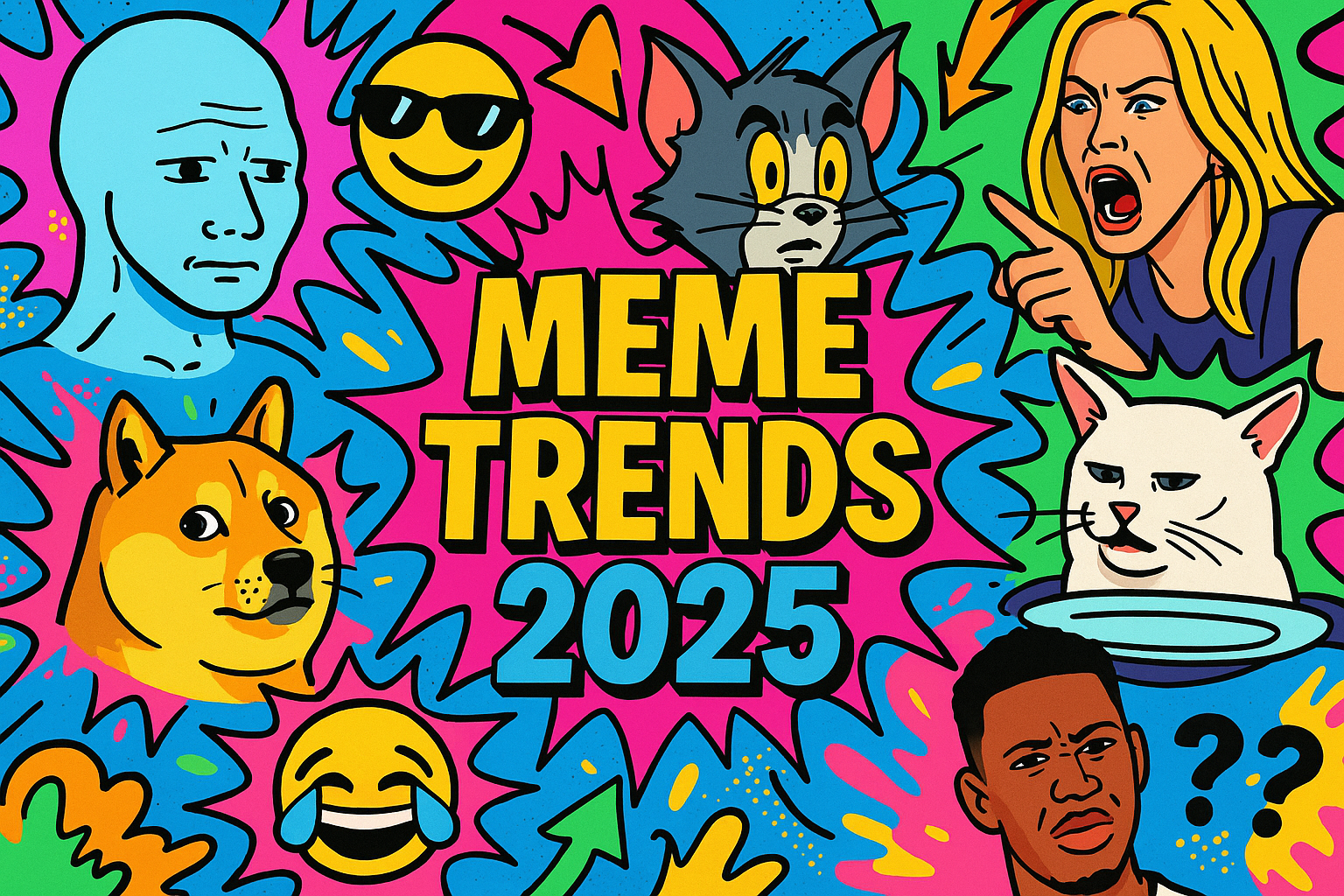
Meme Culture & Trends – The Evolution of Internet Humor
Meme culture has become one of the most powerful communication tools on the internet. What once started as simple images with humorous captions has now grown into a global language that millions of people understand and share every day. Memes reflect society, humor, emotions, and even current events in a way that is fast, relatable, and highly engaging. From viral Twitter jokes to Instagram reels and TikTok trends, meme culture continues to shape digital interactions and online identity.
1. What Are Memes?
A meme is an idea, joke, expression, or piece of media that spreads rapidly across social platforms. Memes can be images, videos, GIFs, audio clips, or even simple text formats. The reason memes go viral is their relatability, humor, and ability to capture shared emotions or situations in a fun way.
- Funny images with captions
- Short video clips and reaction memes
- Trending audio used on reels and TikTok
- GIFs expressing emotions
- Text-based jokes and one-liners
Every meme format evolves as people customize it in their own way, keeping the trend alive.
2. The Rise of Meme Culture
Meme culture became mainstream with the growth of social platforms such as Facebook, Instagram, Twitter, Reddit, and TikTok. As internet usage increased, so did the speed at which humor and content spread. Today, memes play a major role in digital expression, allowing people to share opinions, emotions, and reactions instantly.
Key reasons meme culture grew so fast:
- Instant relatability – People connect emotionally with shared experiences.
- Fast communication – Memes spread faster than traditional media.
- Low effort, high impact – Simple memes can go viral overnight.
- Community bonding – Memes bring people together through humor.
3. Popular Meme Trends
• Reaction Memes
These memes capture human emotions perfectly. Whether it’s happiness, frustration, confusion, or excitement, reaction memes are used everywhere—from comment sections to group chats.
• Relatable Daily Life Memes
Memes based on everyday struggles, school life, office problems, relationships, and awkward moments always perform extremely well because everyone experiences them.
• Viral Video Trends
Short videos with catchy audio or funny situations become templates for thousands of remixes. TikTok and Instagram reels constantly produce new viral formats.
• Pop Culture Memes
Movies, web series, celebrity moments, and sports events quickly become meme material. A single dialogue or facial expression can turn into a trend.
• Event-Based Memes
During big events—like award shows, elections, sports matches, or viral controversies—memes flood the internet instantly, reflecting public reaction.
4. How Memes Influence Society
Memes are not just jokes—they influence opinions, spread awareness, and sometimes even shape cultural conversations. They have become a form of social commentary where people indirectly express their thoughts on politics, celebrities, trends, and society.
Impact of memes:
- Entertainment – Memes provide daily laughs and reduce stress.
- Communication – Many people use memes instead of text to reply or express feelings.
- Marketing – Brands use memes to connect with younger audiences.
- Social awareness – Memes highlight issues in humorous but meaningful ways.
In many ways, meme culture has become the internet’s most powerful voice.
5. The Role of Social Media in Meme Trends
Social media platforms decide how fast a meme spreads. Platforms like TikTok and Instagram introduce new trends almost daily, while Twitter and Reddit create witty, fast-paced joke formats. Each platform has its own meme style:
- Instagram: Reels, relatable jokes, aesthetics memes
- TikTok: Viral audio, POV memes, dance trends
- Twitter: Sarcasm, commentary, real-time event memes
- Reddit: Template-based memes, community humor
- YouTube: Meme edits, remix videos, commentary memes
6. Why Memes Go Viral
Viral memes often share common traits that make them instantly funny and shareable.